
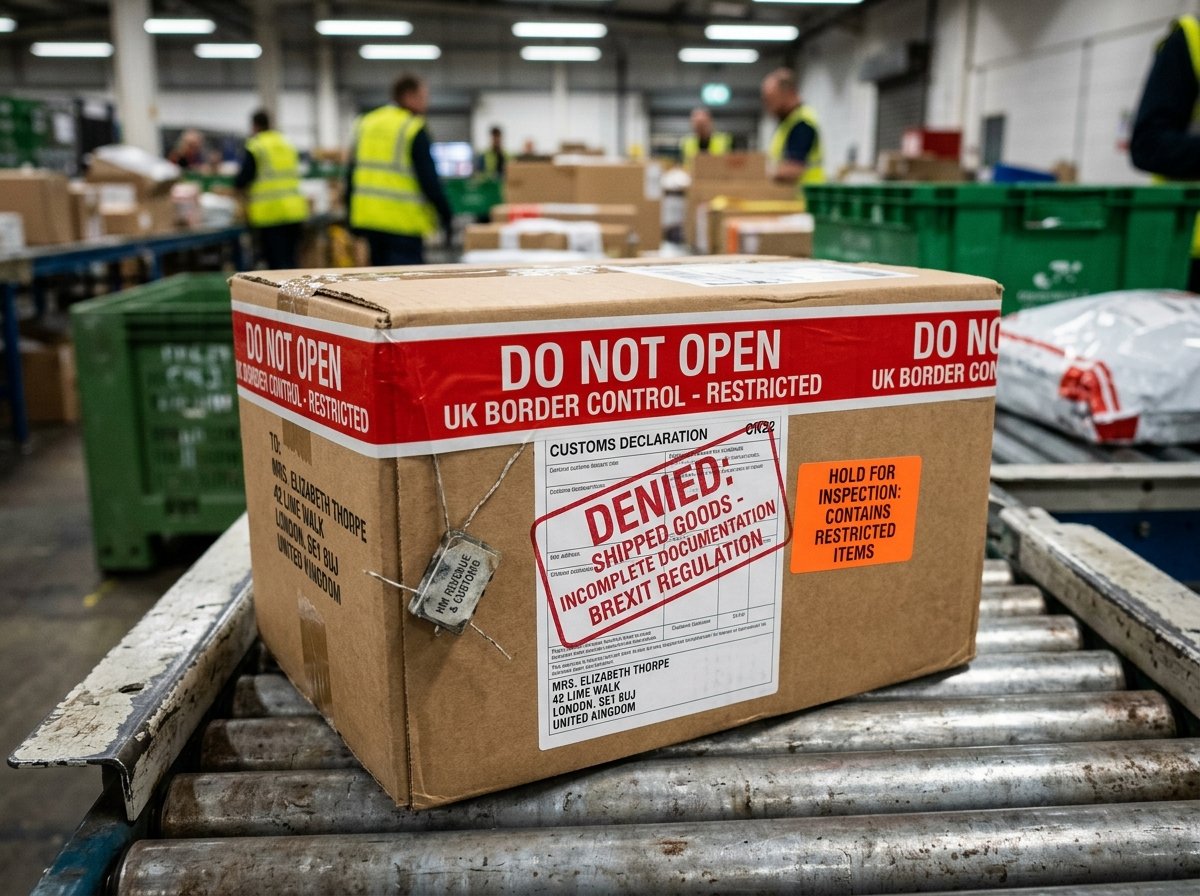
Every year, thousands of international parcels get stopped, seized, or sent back at UK borders. Sometimes it’s a birthday gift from a relative. Sometimes it’s an online seller’s first shipment to a British customer. And sometimes it’s someone moving to the UK who packed something they didn’t realize was banned.
The frustrating part? Most of these situations are completely avoidable. People just don’t know the rules — or they assume the UK follows the same import regulations as other countries. It doesn’t. The UK has its own specific list of banned items, restricted goods, and customs requirements that apply to every single parcel entering the country, whether it’s coming from India, the US, Canada, or anywhere else.
If you’re planning to ship something to the UK — for personal use, as a gift, or for your business — this guide breaks down exactly what you need to know. No legal jargon, no vague advice. Just clear, practical information that’ll save you from expensive mistakes.
Why Does the UK Have Shipping Restrictions?
Before we get into the specifics, it helps to understand why these restrictions exist. The UK doesn’t ban items just to make your life harder. There are real reasons behind every rule.
Public safety is the biggest one. Items like firearms, explosives, and certain chemicals pose obvious dangers during transit and after arrival. The UK government doesn’t want hazardous materials slipping through postal networks where they could harm handlers, postal workers, or recipients.
Then there’s biosecurity. The UK is an island nation, and that geographic isolation has kept it free from many agricultural pests and animal diseases that are common elsewhere. That’s why there are strict rules around shipping food, plants, seeds, and animal products. One contaminated shipment of soil or untreated wood could introduce invasive species that damage British agriculture for decades.
Legal and regulatory compliance is another factor. The UK has specific laws around drugs, medications, weapons, counterfeit goods, and obscene materials. These laws apply equally to items entering the country by mail.
And after Brexit, the rules changed even further. Since the UK left the European Union in 2021, shipments from EU countries now face the same customs checks that non-EU shipments always did. If you’re shipping from France, Germany, or Spain to the UK, you can’t assume it’s a simple process anymore — it’s treated as an international shipment with full customs declarations.
Items Completely Banned From Shipping to the UK
Some items simply cannot enter the UK by mail or courier, regardless of the quantity or your reason for sending them. UK Border Force and HMRC (His Majesty’s Revenue & Customs) actively screen parcels, and if your shipment contains any of these, it will be seized — and you could face legal consequences.
Weapons and Ammunition
This is non-negotiable. You can’t ship firearms, replica guns, ammunition, stun guns, pepper spray, tasers, or even certain types of knives to the UK. The UK has some of the strictest weapons laws in the world. Items that might be legal to own in the US or parts of Asia — like pepper spray or switchblades — are classified as prohibited weapons in Britain.
Even decorative swords or antique firearms need special import licenses. Don’t assume that because something looks harmless or is meant for display, it’ll pass through customs without issues.
Illegal Drugs and Narcotics
This one’s obvious, but it extends further than most people think. Any substance controlled under the UK’s Misuse of Drugs Act 1971 is banned from being shipped. This includes cannabis (even from countries where it’s legal), cocaine, heroin, MDMA, and synthetic cannabinoids.
Here’s where people get tripped up: certain CBD products that are legal in the US or Canada might not meet UK standards. The UK allows CBD products only if they contain less than 0.2% THC and meet Novel Food regulations. Ship a CBD oil that doesn’t comply, and it’ll be confiscated.
Counterfeit and Pirated Goods
Fake designer handbags, counterfeit electronics, pirated DVDs, knockoff clothing with brand logos — none of these can legally enter the UK. UK Border Force works closely with brands to identify counterfeits, and they seize thousands of fake goods every month. If you’re caught shipping counterfeits, the items are destroyed and you could face prosecution.
Obscene or Indecent Materials
The UK prohibits the import of materials deemed obscene under the Obscene Publications Act. This applies to certain printed materials, digital media stored on physical devices, and specific types of visual content that would be illegal to distribute in Britain.
Endangered Species Products
Anything covered under CITES (Convention on International Trade in Endangered Species) is banned or heavily restricted. This includes ivory products, certain animal skins, tortoiseshell items, products made from endangered plant species, and traditional medicines containing parts of protected animals.
If your grandmother sends you a traditional remedy that contains bear bile or tiger bone, it will be seized at the UK border — and there could be criminal charges.
Restricted Items — You Can Ship Them, But With Conditions
There’s a big difference between “banned” and “restricted.” Restricted items can enter the UK, but only if you follow specific rules, get the right permits, or meet certain conditions. This is where most confusion happens, because people either think these items are totally banned (and don’t send them) or think they’re totally fine (and ship them without the required paperwork).
Food and Perishable Items
Shipping food to the UK is possible, but the rules are specific — especially for meat, dairy, and animal-origin products.
If you’re shipping from an EU country, meat and dairy products can enter the UK under certain conditions with proper health certificates. But if you’re shipping from outside the EU (India, US, Middle East, etc.), the rules are much stricter. Personal shipments of meat and dairy from non-EU countries are generally prohibited. DEFRA (Department for Environment, Food & Rural Affairs) enforces these rules to prevent diseases like foot-and-mouth and avian flu from entering the UK.
You can ship sealed, commercially packaged non-perishable food items like spices, dry snacks, tea, or canned goods — but they must be properly declared on customs forms. And anything containing ingredients from protected species? That’s a flat-out no.
⚠️ Warning: If you’re sending homemade sweets or traditional foods for festivals like Diwali or Eid, stick to non-dairy, non-meat items and declare everything accurately. If you’re planning a Diwali gift shipment to someone in the UK, check the food rules before packing anything.
Medicines and Pharmaceuticals
You can ship prescription medicines to the UK, but there are limits. The recipient must have a valid UK prescription for the medication, and you can only send up to 3 months’ supply for personal use. The medicine must be in its original packaging with clear labeling.
Controlled drugs (like strong painkillers containing codeine or morphine) require a personal import/export license from the Home Office. Over-the-counter medications are generally fine in small quantities, but some drugs that are available without prescription in other countries are controlled substances in the UK.
Pro Tip: Always keep medicines in their original pharmacy packaging with the prescription label attached. Loose pills in a ziplock bag will raise red flags at customs.
Alcohol and Tobacco
You can ship alcohol to the UK, but it’s heavily regulated and taxed. Every shipment of alcohol is subject to UK excise duty and VAT, regardless of its value or whether it’s a gift. The duty rates vary based on the type and strength of the alcohol.
There are also packaging requirements — glass bottles need proper protection, and the shipment must be clearly marked as containing alcohol. Most standard postal services (like Royal Mail) won’t accept alcohol shipments, so you’ll need to use a courier service that handles shipping alcohol and wine internationally.
Tobacco products face similar restrictions — they’re legal to import but subject to high duties, and there are quantity limits for personal imports.
Plants, Seeds, and Soil
The UK takes biosecurity seriously. You can’t just ship a bag of garden soil or a bunch of live plants without going through proper channels. The rules here are governed by DEFRA and the UK’s plant health regulations.
Most live plants require a phytosanitary certificate from the country of origin, confirming they’re free from pests and diseases. Some plant species are outright banned. Soil and growing media from outside the UK are generally prohibited because they can carry pests, fungi, and pathogens.
Seeds have their own regulations. Some seeds are fine to ship, while others (especially agricultural seeds or seeds from invasive species) need permits. If you’re thinking about sending plants or seeds to someone in Britain, read up on how to ship plants and seeds legally before you pack anything.
Electronics and Lithium Batteries
Here’s one that catches people off guard. Shipping electronics to the UK is allowed, but lithium batteries — found in smartphones, laptops, tablets, power banks, and vapes — are classified as dangerous goods under IATA shipping regulations.
Most courier services will ship devices with lithium batteries installed inside the device, but standalone or loose lithium batteries face restrictions. Some carriers won’t accept them at all for air freight. If you’re shipping a phone or laptop, make sure the device is powered off, the battery is below a certain watt-hour rating, and the package is properly labeled.
Knowing the dangerous goods shipping rules helps you avoid delays. And if you need specific guidance on packing electronics, here’s a helpful resource on how to ship a mobile phone or laptop safely.
Cosmetics and Skincare Products
Beauty products can be shipped to the UK, but they must comply with UK cosmetic regulations (which are based on the old EU Cosmetic Regulation but now independently enforced). Products need proper ingredient labeling in English, must not contain banned substances, and shouldn’t make unauthorized medical claims on the packaging.
Aerosol cans (deodorants, hairsprays) are classified as hazardous materials and face shipping restrictions with most carriers. Perfumes with high alcohol content also fall under dangerous goods regulations.
If you’re a business shipping beauty products to UK customers, you’ll want to check the guidelines for shipping cosmetics and skincare products to make sure you’re fully compliant.
Customs Duties, VAT, and Declaration Rules
Even if your item isn’t banned or restricted, you still need to deal with UK customs. And this is where many shipments get delayed.
Every parcel entering the UK from outside the country must have a customs declaration (CN22 for items under 300 SDR, CN23 for higher-value items). This declaration must accurately describe the contents, their value, and the purpose of the shipment (gift, commercial sale, personal belongings, etc.).
Duties and VAT You Should Expect
The UK charges 20% VAT on most imported goods. If the total value of the goods (including shipping costs) exceeds £135, customs duty is also applied on top of the VAT. The duty rate depends on the product category — clothing, electronics, food items, and luxury goods all have different rates.
Since January 2021, even low-value shipments aren’t exempt from VAT. If you’re selling to UK customers through platforms like eBay or Etsy, the marketplace usually collects the VAT at the point of sale for orders under £135. But for direct shipments or gifts, the recipient might need to pay VAT before the parcel is released.
Quick Fact: Gift shipments worth £39 or less are exempt from customs duty and VAT, but only if the sender is a private individual (not a business) and the gift is genuinely occasional — not a regular commercial shipment disguised as a present.
What Happens If You Under-Declare Values?
Some people try to avoid duties by writing a lower value on the customs form. This is customs fraud, and HMRC takes it seriously. If they suspect under-declaration, they can open your parcel, assess the true value, and charge the correct duty plus penalties. Repeat offenders can be blacklisted, and their future shipments may face automatic inspection.
Not worth the risk. Declare honestly and factor duties into your shipping budget. Understanding how shipping rates are calculated — including potential duty charges — helps you plan costs upfront.
Post-Brexit Changes That Affect Shipping to the UK
Brexit fundamentally changed the shipping landscape for parcels coming from Europe. Before 2021, goods moved freely between EU member states and the UK without customs checks. Now, every shipment from the EU is treated as an international import.
This means EU-based businesses shipping to UK customers must include customs declarations, commercial invoices, and sometimes certificates of origin. UK customers receiving parcels from EU sellers might face unexpected VAT or duty charges on delivery — something that wasn’t an issue before.
For shipments from non-EU countries (US, India, Canada, Australia, Middle East), the rules haven’t changed much — the same customs processes that existed before Brexit still apply. But the overall volume of parcels going through customs checks has increased significantly, which sometimes causes delays.
If you’re an online seller navigating these changes, understanding the differences between economy and express international shipping can help you choose services that handle customs clearance more efficiently.
Choosing the Right Shipping Service for the UK
Not all courier services handle UK-bound shipments the same way. Your choice of carrier affects speed, cost, customs handling, and how restricted items are managed.
Royal Mail and Parcelforce are the UK’s primary domestic and international postal services. Royal Mail handles standard mail and smaller parcels, while Parcelforce manages larger or heavier shipments. If you’re sending from another country, your local postal service will typically hand off the parcel to Royal Mail for final delivery. Understanding the differences between Royal Mail and Parcelforce helps you pick the right option based on parcel size and urgency.
DHL, FedEx, and UPS offer international express services with built-in customs brokerage. They’re usually faster and provide better tracking, but they cost more. For high-value or time-sensitive shipments, these carriers are often the better choice. You can compare DHL vs FedEx for international shipping to see which fits your needs better.
Pro Tip: Express courier services often pre-clear customs electronically, which means your parcel spends less time sitting in a customs warehouse. If you’re shipping restricted items that need documentation (like medicines or alcohol), a courier with dedicated customs support can save you a lot of headaches.
Size, Weight, and Packaging Considerations
UK-bound shipments also face size and weight limits, which vary by carrier and service type. Royal Mail’s international service typically accepts parcels up to 30kg and maximum dimensions of 1.5m in length. Courier services like DHL and FedEx accept larger and heavier shipments but charge based on either actual weight or dimensional weight — whichever is greater.
Packaging matters too. The UK postal service and couriers can refuse parcels that are poorly packed, leaking, or not properly sealed. If your packaging is damaged during transit and the contents spill or get damaged, you’ll have a hard time filing a claim.
Make sure you’re using the right box size for your shipment and packing fragile items with appropriate cushioning. Poor packaging is one of the most common mistakes that damage parcels — and it’s entirely preventable.
Shipping Personal Belongings to the UK
If you’re moving to the UK for work, studies, or permanent relocation, you can ship your personal belongings — but there are specific rules around what qualifies for duty-free treatment.
Transfer of Residence (ToR) relief allows people moving to the UK to import their used personal belongings without paying customs duty or VAT. To qualify, you must have lived outside the UK for at least 12 consecutive months, you must own the goods and have used them for at least 6 months before moving, and you need to apply for ToR relief through HMRC.
This relief covers things like clothing, books, household items, and personal electronics. It does not cover commercial goods, brand-new items bought specifically for the move, or vehicles (which have their own import process).
Students heading to the UK can also ship personal effects, but they should be aware of what’s allowed and what might trigger duty charges. Here’s a useful guide on shipping personal effects for students going abroad.
Tips to Avoid Delays and Seizures
Knowing the rules is one thing. Actually getting your parcel through UK customs without issues requires some practical steps.
Be accurate on customs forms. Describe items specifically — “cotton dress, women’s, used” is much better than “clothing” or “gift.” Vague descriptions trigger inspections.
Include all required documentation. Commercial invoices for business shipments, prescriptions for medicines, phytosanitary certificates for plants, licenses for restricted items — whatever paperwork your item needs, include it with the shipment and send copies electronically if your carrier allows it.
Don’t mix restricted and unrestricted items in the same box. If one item in your parcel raises a flag, the entire shipment gets held up. Ship restricted items separately so your other goods aren’t delayed.
Use proper labeling. Mark fragile items, indicate if the package contains liquids or batteries, and make sure the recipient’s address includes a phone number. UK customs sometimes calls recipients to verify shipment contents.
Track your shipment actively. If your parcel gets stuck in customs, you’ll want to know quickly so you can provide additional information or documentation. Understanding what different tracking statuses mean helps you identify potential problems early.
FAQ Section
What items are completely banned from shipping to the UK?
Firearms, ammunition, illegal drugs, counterfeit goods, obscene materials, and products made from endangered species are completely banned. These items will be seized by UK Border Force, and senders may face legal action. Some items like flick knives, pepper spray, and stun guns — which may be legal in other countries — are also prohibited in the UK.
Do I have to pay taxes on gifts shipped to the UK?
It depends on the value. Gifts from private individuals valued at £39 or less are exempt from customs duty and VAT. Above that threshold, the recipient will need to pay 20% VAT and possibly customs duty before the parcel is released. The gift must be genuinely occasional and not a commercial transaction — HMRC can investigate if they suspect abuse.
Can I ship food items to someone in the UK?
Yes, but with restrictions. Non-perishable, commercially packaged food like spices, dried snacks, tea, and canned goods are generally fine when properly declared. Meat, dairy, and products of animal origin from non-EU countries are largely prohibited for personal imports. Always declare food items honestly on your customs form.
How did Brexit change shipping to the UK from Europe?
Before Brexit, goods moved freely between EU countries and the UK without customs checks. Since January 2021, all shipments from EU nations are treated as international imports, requiring customs declarations, and potentially incurring VAT and duty charges. This affects both businesses and individuals sending parcels from EU member states.
Can I ship prescription medicines to someone in the UK?
You can ship up to a 3-month supply of prescription medicines for personal use, provided the recipient has a valid UK prescription. The medicines must be in original packaging with clear labeling. Controlled drugs require a special Home Office license for import. Over-the-counter medicines are generally fine in small quantities.
Your Next Step
Shipping to the UK isn’t complicated once you know the boundaries. The rules exist for good reasons — safety, biosecurity, legal compliance — and working within them is straightforward if you prepare properly.
Before your next UK-bound shipment, take five minutes to check your item against the banned and restricted lists, fill out your customs declaration accurately, and make sure your packaging meets carrier requirements. That small effort saves you from seized parcels, unexpected charges, and weeks of frustration.
And if you’re also shipping to other countries, keep in mind that every destination has its own set of rules. The shipping restrictions for the USA and Australia are different from the UK’s, so don’t assume what works for one country works for another. Check the rules, pack smart, and ship with confidence.